
The basil pot sits on the wide windowsill between units 03-40 and 03-42 — technically closer to my neighbour's door, but neither of us claims ownership in any document sense. It appeared one Chinese New Year with a red ribbon still tied to the ceramic, and over months became everyone's plant the way a bench becomes everyone's bench if nobody hogs it.
Every Sunday morning I water it before breakfast. Not because anyone assigned the task — the schedule emerged the way shared table habits do: someone starts, someone else notices, and soon the week has a quiet agreement without a WhatsApp group to prove it. If I travel, the uncle from 03-38 does it. If he visits his daughter, the auntie below fills in. The plant thrives on distributed attention.
Some rituals belong to a corridor, not a calendar. The pot receives water when the town is still polite — before doors slam and phones ring.
I use the blue watering can that lives under the stairwell — another communal object with no owner. The water runs warm at first from the pipe, then cools. Three slow pours, pause, one more for the soil at the back where sun reaches last. The leaves release their peppery smell and for a moment the whole landing smells like sauce waiting for garlic.
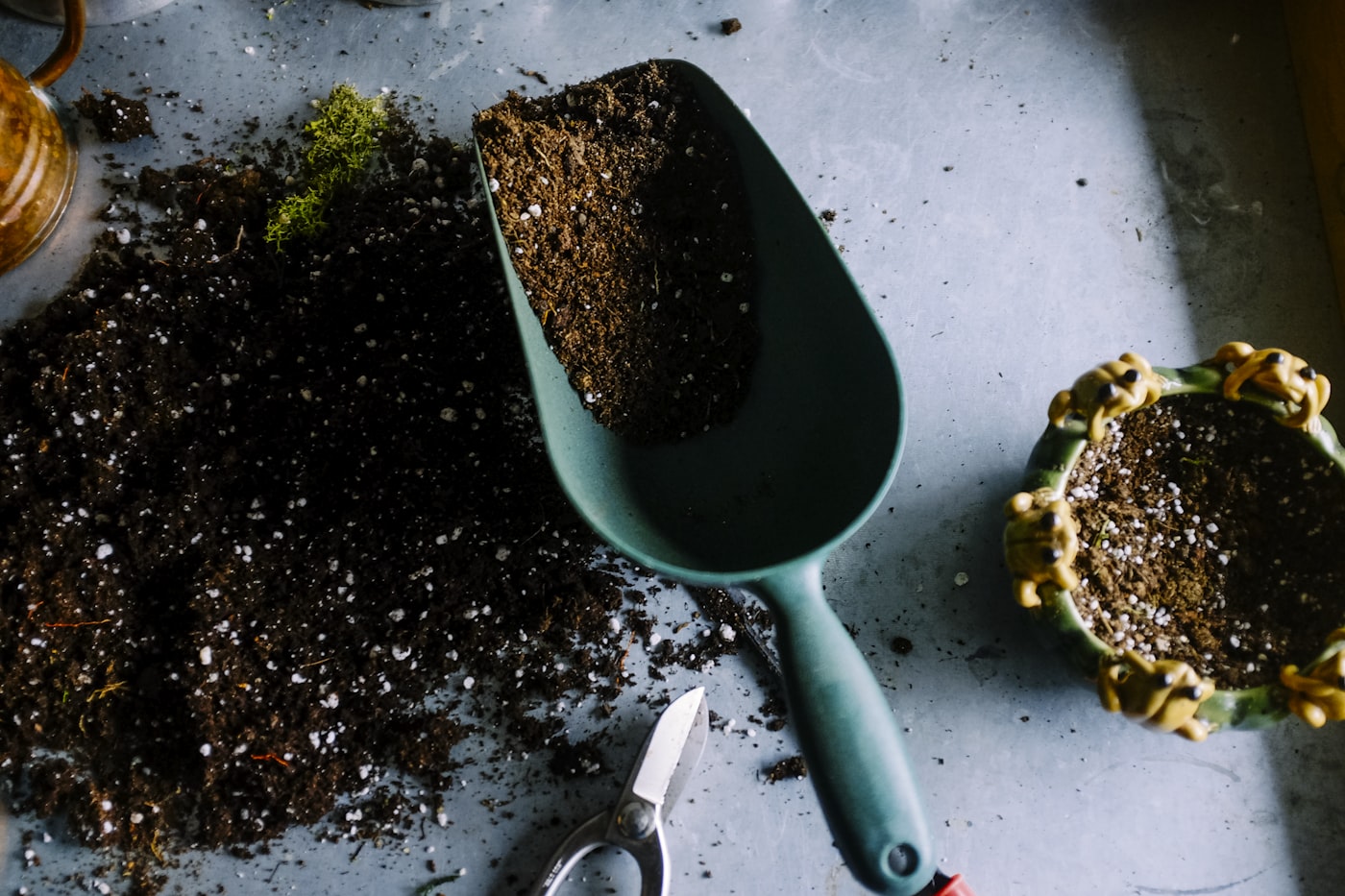
Last Sunday the auntie from 03-41 joined me without speaking. We stood in slippers, hair still flat from sleep, watching water darken the soil. When I finished, she pinched a yellowing leaf away with the confidence of someone who has done this longer than I have. "Better now," she said — two words, then she went inside to her radio and morning oats.
I have never used the basil in my cooking, though I could. Taking feels like breaking the shared rule, even though no rule is posted. Sometimes delivery riders lean their bags against the rail and the leaves brush their sleeves — accidental blessing. Children passing to the lift poke the soil with fingers and get shooed away by parents who then look guilty because the plant clearly survived worse.
Sunday water is a small open window in the week — a reason to step outside before the heat sets in, to notice whether the stems have grown toward the light, to see who else is awake. The ritual will outlast whoever started it. That is the comfort: the corridor keeps its habits even when residents change. I write this down so I remember that care can be anonymous, scheduled, and as ordinary as water leaving a can.