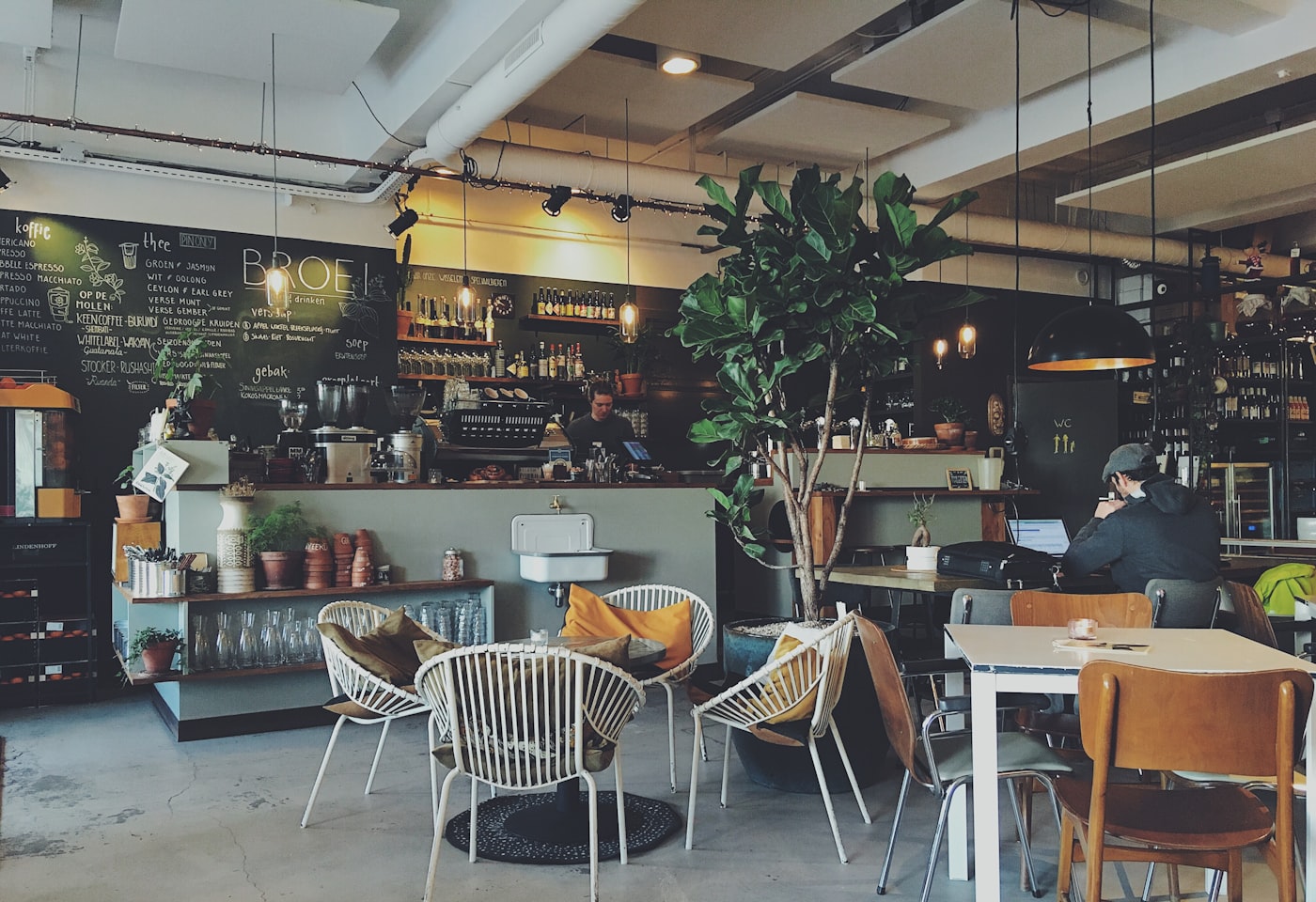
The uncle who runs the kopi stall already knew my order before I reached the counter — kopi siu dai, soft enough that the first sip does not argue with you. He slid the cup across the formica without looking up from the toast grill, which is its own kind of neighbourhood grammar. I took the corner table because the fan above it spins at a speed that keeps napkins from lifting, and because from there I can see both the entrance and the queue without feeling watched.
Morning steam rose from the tiffin carriers of office workers who had arrived early to beat the LRT crush. The air smelled of butter, burnt edges on bread, and the faint detergent from someone mopping the aisle between tables. A secondary school girl revised from a textbook propped against her milo glass. Her pen moved in small confident strokes while her father read the sports section without turning pages — a shared table arrangement that requires no discussion.
A kopitiam table listens before you speak. It holds the clink of spoons, the scrape of chairs, the half-sentences that finish themselves in other people's mouths.
Two aunties beside me debated the price of eggs with the cheerful hostility of people who have been friends for thirty years. One insisted the market on the next row had better value; the other said the walk was not worth saving forty cents. They did not resolve it. They never do. Their argument is a morning ritual the way some people pray — regular, familiar, not really about eggs at all.
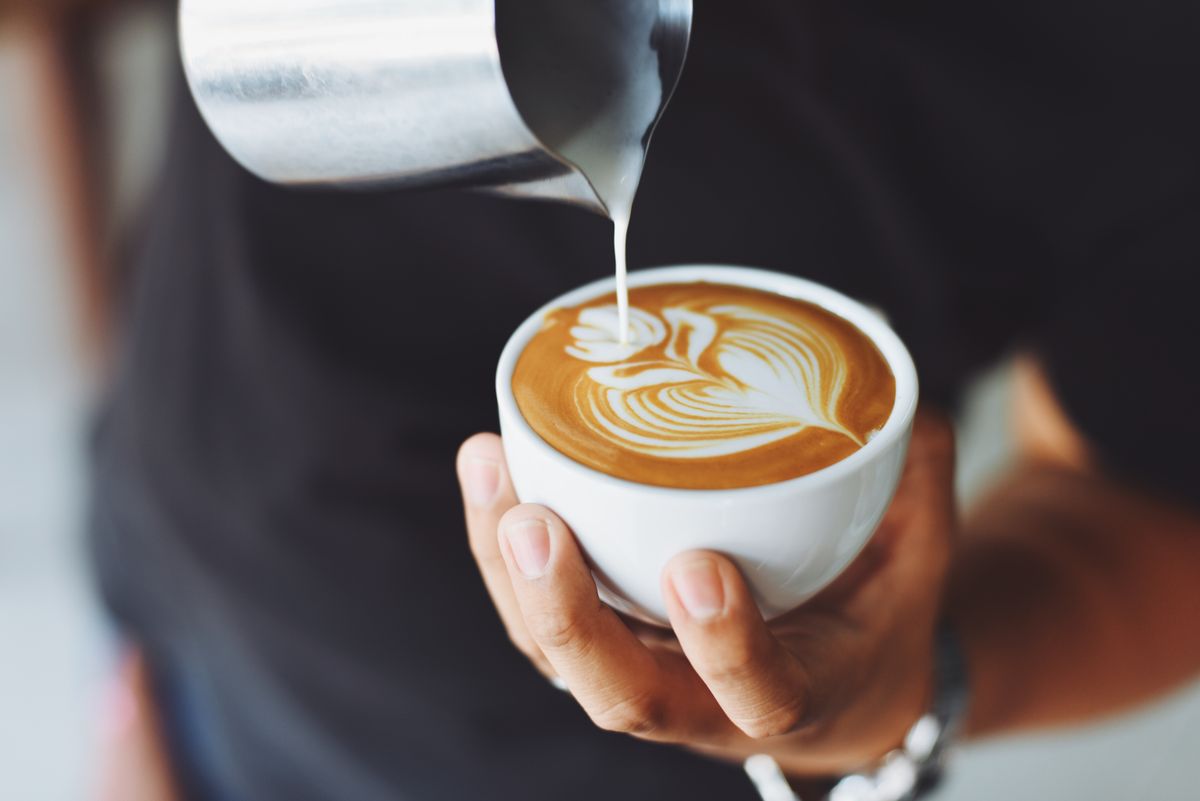
I opened my notebook but wrote only one line: the table is full of unfinished conversations. That felt sufficient. Outside, the first bus exhaled at the stop and a man in security uniform crossed the road with the careful pace of someone who has timed his shift to the minute. The coffeeshop is not beautiful in any photograph sense — fluorescent tubes, plastic stools, calendars from suppliers pinned above the counter — but it is precise. Every object has a place that morning hands return it to.
My kopi cooled to the temperature where you can drink continuously without pausing. The uncle refilled someone's teapot three tables away without being asked. I watched the steam from my cup meet the steam from the kitchen and thought about how this room is a shared window into the town — not dramatic, not arranged for show, just open. People pass through, leave a sentence in the air, and go on to offices, schools, markets, the park connector if they are luckier than most.
When I stood to leave, the auntie who lost the egg argument nodded at me as though we had been talking all along. I nodded back. The table would reset — cups cleared, formica wiped — and by noon a different cast would occupy the same seats with a different rhythm. I walked out into sun on the tiles already warming, carrying the ordinary music of a place that never announces itself as worth remembering, and yet I keep returning to write it down.